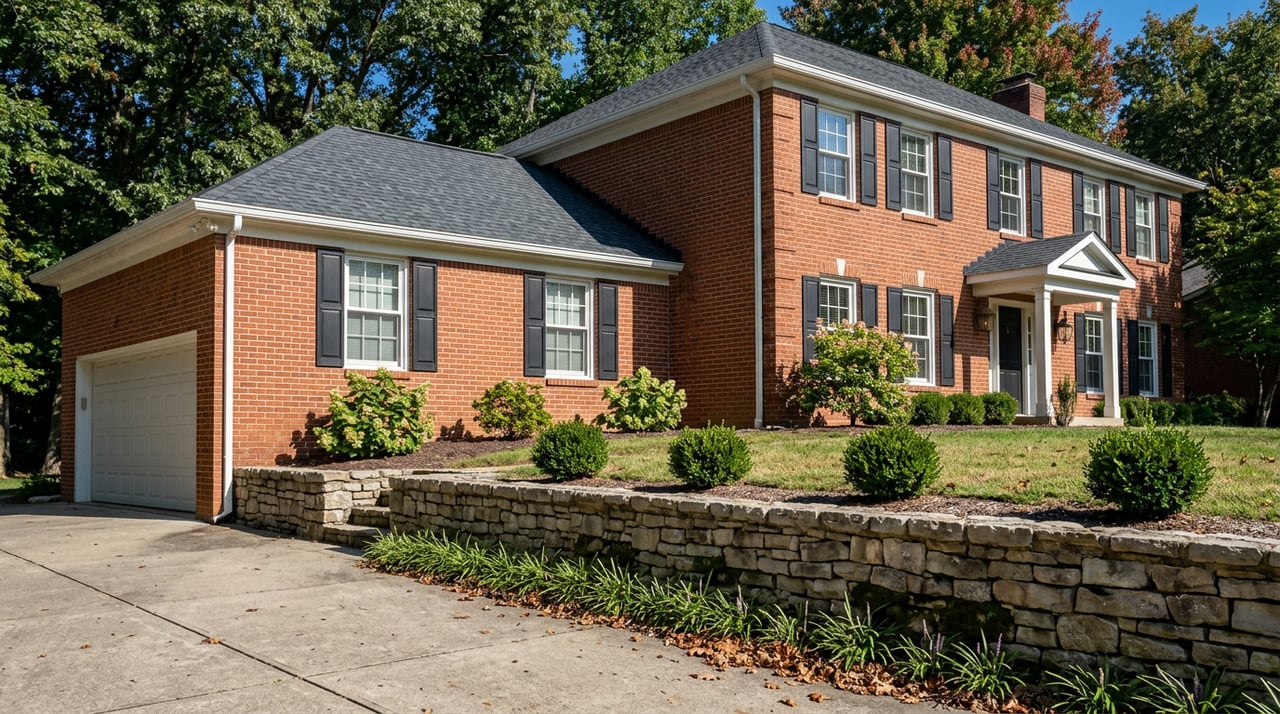
A half-acre building lot on Rudder Lane is on the market right now, described in its listing as "over half an acre level and deep" with "no restrictions right outside the Knoxville City limits." It's zoned for Rocky Hill Elementary and walkable to shops and dining, sitting in the middle of one of the most recognizable streets in the neighborhood. The listing's reference to city limits points to a distinction that can affect a buyer's costs and municipal services: whether the parcel is inside or outside the city boundary.
Rocky Hill's footprint runs north and west of Northshore Drive, east of Wallace Road, and south of Westland Drive, all inside the 37919 ZIP code. Within that same tidy geography sits a boundary that has nothing to do with subdivisions, HOAs, or school zones. It's the line separating the City of Knoxville from unincorporated Knox County, and it snakes through Rocky Hill in a way that puts some parcels inside city limits and others outside it, sometimes on the very same street.
Why the Listing Bothers to Mention It
Agents flag advantages buyers might not expect. A lot advertised as sitting "right outside the Knoxville City limits" is being marketed the way you'd flag a low HOA fee or a fresh roof: as an edge the buyer wouldn't otherwise think to ask about. That phrasing is a signal, not filler. The parcel's location can shape both the applicable taxes and municipal services.
For parcels inside city limits, the City of Knoxville's own property tax rate is billed separately from the county's. Every parcel in Knox County pays the county rate. Parcels that also sit inside the incorporated City of Knoxville pay that same county rate plus a city rate on top, arriving as its own bill with its own due date. According to SmartAsset, Tennessee assesses residential property at 25 percent of its appraised value, then applies the applicable rate or rates to that assessed figure, a step that trips up plenty of relocating buyers coming from states that tax the full market value directly. If you're moving in from out of state and comparing your old property tax bill to a Rocky Hill estimate, make sure you're comparing the assessed 25 percent figure and not the sticker price of the house.
The county's Property Assessor's Office reappraises property on a multi-year cycle rather than annually, so the number on a tax bill can lag behind a fast-moving sale price for a while. That's useful context if you're staring at a low assessed value on an older Rocky Hill ranch and wondering whether it reflects what the house would actually sell for today.
What Changes If You're Inside the Line
A few concrete things shift depending on which side of the boundary a parcel sits on:
- A second, separate tax bill, due on its own schedule, in addition to the county bill every Knox County property already owes
- Access to city police response rather than relying solely on county-level coverage
- City fire department response rather than county-arranged coverage
- Scheduled municipal trash pickup rather than private or county-arranged hauling
- A one percent early-payment discount on the city bill specifically, if you pay by the end of October
None of this makes one side of the line objectively better. A buyer who wants the lowest possible annual carrying cost might prefer the county-only side. A buyer who wants the reassurance of city police and fire response and doesn't mind an extra bill in the mailbox might prefer the other. What matters is knowing which one you're buying before you're three weeks into a mortgage and wondering why your escrow account looks different from your neighbor's.
Why This Shows Up More in Rocky Hill Than in a Lot of West Knoxville
Rocky Hill's housing stock is unusually split between two very different eras. A large share of the neighborhood's homes went up in the 1970s and 1980s, ranches and split-levels on generous lots, and a second wave of construction has filled in the 2010s and now the 2020s on the handful of remaining infill parcels, several of them along Rudder Lane itself. That same street has a rare half-acre "build your dream home" lot on the market this year alongside a finished 12,946-square-foot house listed at $4 million. Active Rocky Hill inventory in June 2026 carried a median list price near $400,000 and an average price around $252 per square foot, a range wide enough that buyers are routinely cross-shopping a 1970s brick ranch against a brand-new build a few doors down.
Two houses can look like a straightforward price comparison, with similar square footage and finishes and only a few thousand dollars between their asking prices, yet have different total costs because one may carry a second tax bill and the addresses may receive different municipal services. A price-per-square-foot comparison does not include the parcel's taxing jurisdiction, so buyers comparing homes can check that detail on a parcel map.
How to Check Before You Write an Offer
- Pull the parcel on the Knox County, City of Knoxville, and KUB joint mapping system at KGIS Maps and confirm whether the address falls inside the shaded city boundary or outside it.
- Ask the seller's agent for last year's actual tax bill, not an estimate, and confirm whether it reflects one levy or two.
- If you're comparing two Rocky Hill houses side by side, run both full tax pictures before deciding which one is actually the better deal.
- Confirm with your lender how escrow will handle a second bill if the property is inside city limits. Escrow calculations occasionally default to a single bill and miss the add-on.
- Verify the current rate directly with the Knox County Trustee's office or the City of Knoxville's property tax office rather than relying on a rate you saw quoted somewhere online. Rates are set and can shift year to year, and the office handling your specific parcel is the only reliable source for what you'll actually owe.
A Few Questions That Come Up Every Time This Surfaces
Does this mean one side of Rocky Hill is a worse place to buy? No. It's a trade of dollars for a specific service package, not a quality judgment on the neighborhood or the house.
Is Rocky Hill unusual for having this split? Not especially. Anywhere the City of Knoxville's boundary runs through an older subdivision, you'll find the same pattern. Rocky Hill just happens to have it running through streets with some of the widest price and era spread in West Knoxville, which makes the stakes of missing it higher.
Will my title company catch this automatically? Title work confirms ownership and liens, not which taxing jurisdiction applies. That check is on the buyer's side, ideally before an offer goes in rather than during closing week.
Does this affect resale value down the road? It can factor into a buyer's calculus the same way it factors into yours now, which is one more reason to know exactly which bill and which service package come with the house before you commit to a number.
If you're weighing two Rocky Hill houses right now and want someone who already knows how to read a parcel map before the topic ever comes up at the closing table, that's precisely the kind of groundwork Ashley Wade does before a client ever writes an offer. Request your bespoke consultation and get the full picture on any Rocky Hill address you're considering, tax lines included.
This article is general information, not legal, tax or financial advice. Consult a qualified professional about your situation.
