Trying to choose between Rocky Hill and another West Knoxville area? You are not alone. Many buyers know they want West Knoxville convenience, but the feel can change a lot from one area to the next. This guide will help you compare Rocky Hill with several popular nearby options so you can narrow in on the setting that best fits your routine, priorities, and long-term goals. Let’s dive in.
Why Rocky Hill Stands Out
Rocky Hill sits in West Knoxville within the 37919 ZIP code. Visit Knoxville places it north and west of Northshore Drive, east of Wallace Road, and south of Westland Drive, which gives you a helpful sense of where it fits on the map.
It is also tied to practical, everyday destinations. Local stops like Scrambled Jake’s, Sullivan’s Fine Food, nearby Lakeshore Park, and the Rocky Hill Ballfields all reinforce the area’s neighborhood-centered feel.
The Rocky Hill Ballfields offer a concrete example of what that looks like day to day. The City of Knoxville describes the park as an 18.37-acre site with eight baseball and softball fields, two playgrounds, concessions, and restrooms.
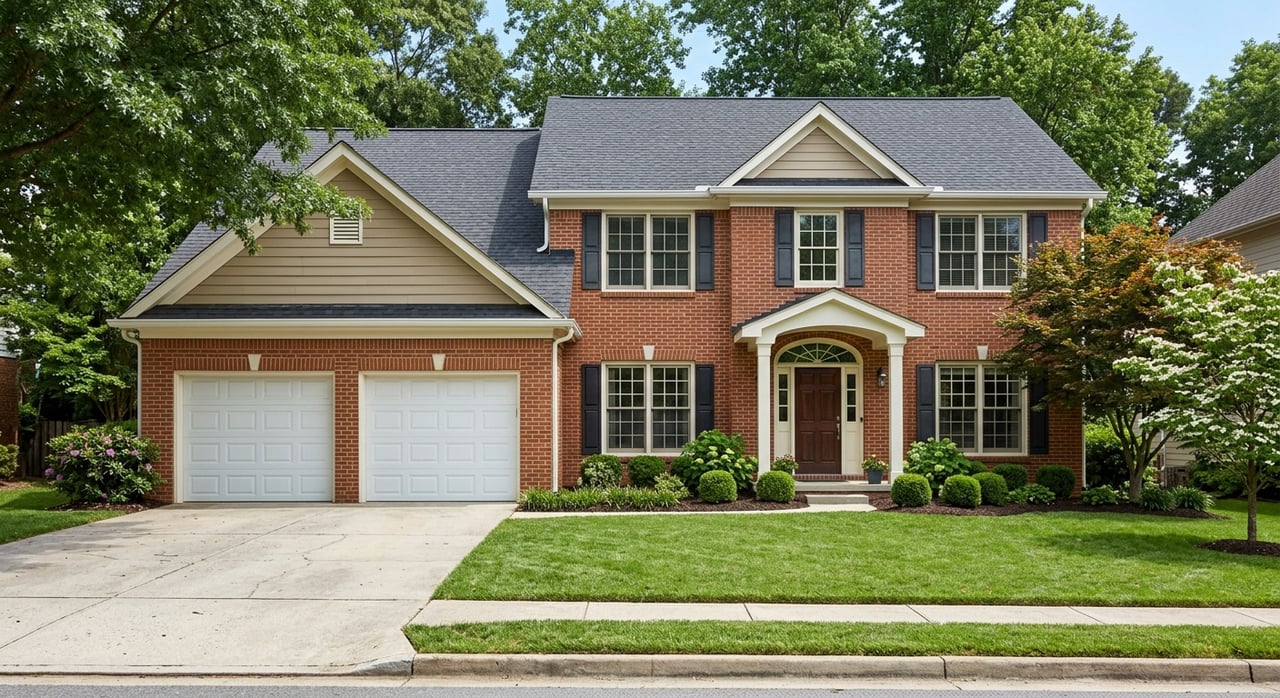
If you are looking for a simple way to describe Rocky Hill, this is the clearest one: it feels like an established residential pocket with convenient access to errands and major routes. Planning records support that general picture, noting nearby residential development along with access to the commercial node around Morrell Road and South Northshore Drive.
Rocky Hill’s Place in West Knoxville
West Knoxville is broad and varied. Visit Knoxville describes it as a large section of the city connected by major corridors like Northshore, Cedar Bluff, Lovell, and Kingston Pike, with West Town Mall serving as one of its key anchors.
That matters because Rocky Hill is not isolated. It sits inside a much larger network of shopping, dining, and day-to-day convenience, but it does not read exactly like the more commercial stretches of West Knoxville.
For many buyers, that middle-ground position is the appeal. You can stay connected to the larger West Knoxville lifestyle without feeling like you are living right in the middle of a major commercial corridor.
Choose Based on Daily Feel
When you compare West Knoxville areas, the biggest difference is often not distance. It is daily feel.
Some places lean more historic. Some feel more mixed-use and amenity-heavy. Others are shaped by retail corridors, highway access, or a more self-contained suburban pattern.
Rocky Hill tends to land in the middle. It offers a more neighborhood-centered setting than Cedar Bluff’s corridor feel, less historic definition than Sequoyah Hills, and less of a standalone suburban identity than Farragut.
Rocky Hill vs. Sequoyah Hills
Sequoyah Hills is the historic contrast. Visit Knoxville notes that it developed in the 1920s, is one of Knoxville’s first suburbs, and includes notable examples of mid-century residential architecture.
It also has a strong landscape identity. Sequoyah Park adds 87 acres, 2.6 miles of paved trail, three sports fields, two blueway access points, and connections to the Sequoyah and Third Creek greenways.
If you are drawn to historic streetscapes, older architecture, and river-adjacent greenway access, Sequoyah Hills may feel like the better match. If you want a more straightforward residential pocket with nearby errands and park access, Rocky Hill may be the easier fit.
Rocky Hill vs. Bearden
Bearden offers a more eclectic day-to-day experience. Visit Knoxville highlights its mix of food, coffee, retail, arts-oriented local spots, Lakeshore Park, and an extensive river greenway.
That gives Bearden a more mixed-use feel than Rocky Hill. If you want your area to feel more active, varied, and closely tied to local businesses and gathering spots, Bearden may rise to the top of your list.
Rocky Hill, by comparison, can feel more residential and a bit more tucked in. It still benefits from West Knoxville convenience, but the overall impression is less centered on a busy local amenity mix.
Rocky Hill vs. West Hills
West Hills is a strong option if recreation and retail access are high on your list. It is closely associated with West Town Mall, and the City of Knoxville’s West Hills/John Bynon Park includes 45.33 acres, ballfields, tennis, pickleball, playgrounds, open space, and the 1.9-mile Jean Teague Greenway.
That is a notably more amenity-dense park profile than Rocky Hill Ballfields alone. If you want a location shaped by larger recreation assets and mall-area convenience, West Hills may stand out.
If you prefer a setting that feels a little more neighborhood-first, Rocky Hill may be the better balance. It still offers access to parks and errands, but with a more residential overall impression.
Rocky Hill vs. Farragut
Farragut is best understood as a nearby suburban town, not just another Knoxville neighborhood. The town describes it as having a small-town atmosphere, more than 15 miles of greenway trails, five parks, abundant retail and dining, and easy proximity to I-40 and I-75.
Its residential planning standards also point to a more structured suburban environment. Farragut states that developers must set aside 10 percent of each project’s acreage for passive open space or recreational amenities, along with sidewalks and greenway links.
If you want a more self-contained suburban setting with broad retail options and an extensive greenway system, Farragut may be a better fit. If you want to stay in a more traditional West Knoxville neighborhood setting, Rocky Hill can offer a closer-in alternative.
Rocky Hill vs. Cedar Bluff
Cedar Bluff is the convenience-corridor comparison. Visit Knoxville describes it as a major exit and thoroughfare off I-40 that connects Kingston Pike to Middlebrook Pike.
If your top priority is quick highway access and a strongly commercial setting, Cedar Bluff may check those boxes more directly. It is built around movement and convenience.
Rocky Hill reads differently. It is still convenient, but the experience is more neighborhood-centered than corridor-centered.
A Simple Way to Decide
If you are sorting through West Knoxville options, start with the kind of environment you want to come home to each day. That usually makes the decision much easier.
Here is a quick lens to use:
- Choose Rocky Hill if you want an established West Knoxville neighborhood with park access, nearby errands, and a location that sits between the historic inner-west feel of Sequoyah Hills and the more commercial west-side corridors.
- Choose Sequoyah Hills if historic streetscapes, older architecture, and river-adjacent greenway access matter most.
- Choose Bearden if you want a more eclectic area with a stronger mix of dining, retail, and park access.
- Choose West Hills if recreation amenities and West Town Mall proximity are bigger priorities.
- Choose Farragut if you want a more standalone suburban town feel with planned open space, greenways, and a wider suburban retail base.
- Choose Cedar Bluff if highway access and commercial corridor convenience are your top concerns.
What Buyers Should Focus On
It helps to look past the name of the area and focus on how you actually live. Think about where you run errands, how often you use parks and trails, and whether you want a quieter residential setting or a busier local scene.
You should also think about what kind of West Knoxville identity feels most natural to you. Some buyers want the character of a historic area. Others want recreation amenities, a suburban town setup, or easy access to major roads and shopping.
Rocky Hill tends to make the most sense for buyers who want balance. It offers a traditional West Knoxville location with neighborhood character, local convenience, and access to everyday amenities without leaning too far into any one extreme.
How Ashley Wade Can Help
When you are comparing areas like Rocky Hill, Sequoyah Hills, Bearden, West Hills, Farragut, or Cedar Bluff, small details matter. The right fit often comes down to how a home, location, and daily routine work together.
Ashley Wade brings deep West Knoxville market knowledge along with construction and renovation insight, which can be especially helpful when you are weighing neighborhood feel, home condition, and long-term value. If you want tailored guidance as you narrow your search, Ashley Wade can help you make a confident move.
FAQs
Is Rocky Hill in West Knoxville?
- Yes. Rocky Hill is a West Knoxville neighborhood in the 37919 ZIP code.
What is Rocky Hill known for in Knoxville?
- Rocky Hill is known as an established residential pocket with nearby commercial convenience, local dining stops, Lakeshore Park nearby, and the Rocky Hill Ballfields.
How does Rocky Hill compare to Sequoyah Hills?
- Rocky Hill generally feels more neighborhood-centered and less historic in character than Sequoyah Hills, which is known for older architecture, historic streetscapes, and river-adjacent park and greenway access.
How does Rocky Hill compare to Bearden?
- Rocky Hill has a more residential feel, while Bearden is known for a stronger mix of dining, coffee, retail, arts-oriented spots, and park access.
Is West Hills more recreation-focused than Rocky Hill?
- Yes. Based on city park information, West Hills has a more amenity-dense recreation profile, including a larger park with ballfields, tennis, pickleball, playgrounds, open space, and a greenway.
Should you choose Farragut instead of Rocky Hill?
- Farragut may be a better fit if you want a more self-contained suburban town setting with extensive greenways, parks, and retail. Rocky Hill may fit better if you want a more traditional West Knoxville neighborhood location.
Is Cedar Bluff similar to Rocky Hill?
- Not exactly. Cedar Bluff is more defined by highway access and commercial corridor convenience, while Rocky Hill feels more neighborhood-centered.
