Thinking about selling in Sequoyah Hills and wondering what actually moves the needle? You’re not alone. In this river‑wrapped, character‑rich pocket of Knoxville, buyers pay for lifestyle, architecture, and thoughtful presentation. This guide gives you a clear, local plan to prepare, stage, and launch your home with confidence so you can protect your price and minimize stress. Let’s dive in.
Why Sequoyah Hills buyers pay more
Location and lifestyle
Sequoyah Hills sits on a scenic bend of the Tennessee River with mature trees, rolling topography, and a signature boulevard, Cherokee Boulevard, that fronts Sequoyah Park and the greenway. The neighborhood’s setting and amenities create daily lifestyle value that buyers respond to. Learn more about the neighborhood’s history and setting from the Sequoyah Hills Association and an overview of the area on Wikipedia.
Architecture and character
Many homes here were built from the 1920s through the mid‑20th century, with Colonial Revival, Tudor, Craftsman, and early modern influences. Buyers often seek out original trim, Tennessee marble details, stonework, and mature landscaping. When you preserve those period features, you reinforce the neighborhood’s identity. For style context, see Knoxville’s historic styles overview.
Market snapshot
Sequoyah Hills is a higher‑end, low‑inventory area where location, character, and river proximity command a premium. Mid‑2025 reporting showed a median sold price around the mid‑$600,000s, and later snapshots moved into the low‑to‑mid $700,000s. Month‑to‑month figures can shift quickly. Use these numbers only as a benchmark and confirm your final pricing with real‑time MLS comps and your listing agent.
Your pre‑listing plan, step by step
Must‑do legal and safety
- Complete Tennessee’s required seller disclosure. Tennessee generally requires a residential property condition disclosure unless an exemption applies. Review the appropriate forms and guidance with your agent so your file is complete and accurate. For context, see the Tennessee REALTORS legal hotline guidance.
- Consider a pre‑listing inspection. Inspection and repair issues are a top cause of contract delays or renegotiations. A pre‑market inspection helps you find and fix problems on your terms or disclose them up front, which can strengthen your negotiating position. Read more on why it helps from a local inspector resource: why a pre‑listing inspection can help.
- Gather your records. Collect permits, contractor invoices, service logs (HVAC, roof), termite/WDO letters, and any flood insurance documents if applicable. Organized documentation builds buyer confidence.
High‑impact updates buyers notice
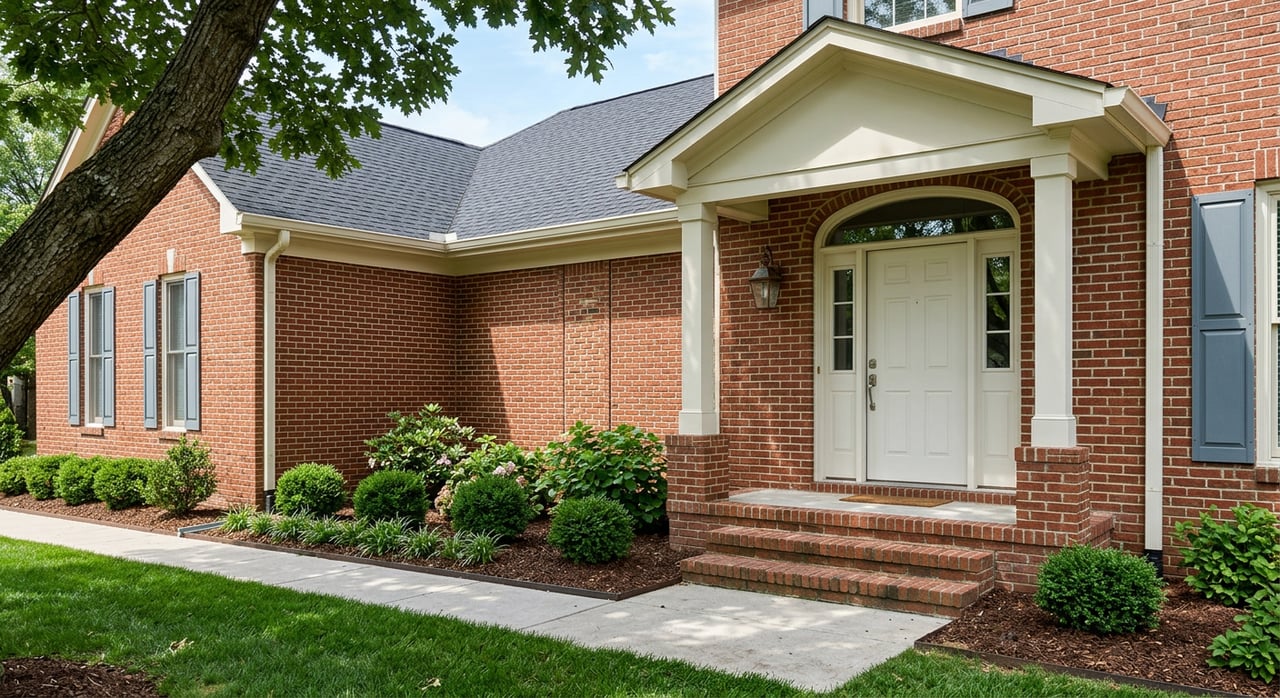
- Curb appeal first. Trim hedges, refresh mulch, pressure‑wash walks, clean gutters, and make the front door shine with polished hardware and fresh paint. First impressions drive clicks, showings, and offers. See quick‑hit prep ideas from the NAR staging and prep infographic.
- Neutral paint and brighter lighting. A light, neutral palette and updated bulbs or fixtures reduce buyer hesitation and make rooms feel larger and cleaner. NAR’s consumer insights consistently rank paint and decluttering among the best low‑cost wins.
- Floors and visible finishes. Refinish original hardwoods when possible, replace or deep‑clean worn carpet, and repair cracked tile. For older homes, retain original trim and hardware where you can. Authenticity sells in this neighborhood. Explore style cues in Knoxville’s historic styles guide.
- Kitchen and bath refreshes. You do not always need a full remodel. New cabinet hardware, refinished doors, a fresh backsplash, or updated counters can deliver big visual impact for less. See practical tips in this HomeLight guide to marketing your home.
- Systems and safety. Ensure HVAC and water heater are functioning and recently serviced, fix visible leaks, patch roof issues, and address smoke/CO detectors and GFCIs. These items commonly surface on inspection reports and can derail a deal if ignored. For common focus areas, review home inspector standards and training topics.
Optional investments to weigh
- Large remodels and additions should be weighed against local comps and likely appraisal ceilings. In Sequoyah Hills, tasteful, scaled updates that protect original character often outperform over‑customized or ultra‑modern changes. Ask your agent for a comp‑driven ROI check before committing major dollars.
Be inspection‑ready
Common red flags to pre‑check
- Roof condition, flashing, and gutters.
- Water intrusion, grading, downspouts, and crawl/basement dampness.
- Electrical panels and visible wiring that could be flagged as outdated.
- HVAC function and service records; water heater age and condition.
- Plumbing leaks, older pipe materials, and water pressure.
- Deck and railing integrity, including ledger flashing.
- Termite or other wood‑destroying‑organism evidence.
- Safety items: handrails, GFCIs in wet areas, smoke/CO alarms.
These align with what inspectors review under standard practices. For background, see InterNACHI’s inspector education topics.
Why pre‑inspect
Industry coverage and agent experience show that inspection issues are a frequent reason for cancellations or price renegotiations. A pre‑listing inspection helps you prioritize safety fixes, handle repairs on your schedule, or disclose and credit strategically. Learn more about the benefits from this explainer on pre‑listing inspections.
Smart triage and timeline
- Safety and legal first. Address hazards, exposed wiring, missing GFCIs, and smoke/CO alarms. Decide how you will disclose any significant defects in line with Tennessee requirements.
- Deal‑blockers next. Fix or disclose major leaks, roof failures, structural movement, or active pest issues.
- High‑value cosmetics last. Focus on front entry, floors, lighting, and targeted kitchen or bath refreshes.
Here is a simple 4–6 week template you can adapt:
- Week 1: Hire your local agent, run a CMA, order a pre‑listing inspection, assemble records, and review Tennessee disclosure requirements with your agent. Reference: Tennessee REALTORS legal guidance.
- Week 2: Triage the inspection report, complete safety and major repairs, and schedule bids for cosmetic work. For common inspection scope, see inspector standards overview.
- Week 3: Complete paint, deep clean, yard work, and minor kitchen/bath refreshes; start staging. NAR’s data show these steps often deliver strong buyer response. See the NAR staging report highlights.
- Week 4: Book professional photography, including drone and twilight for homes with river proximity or views. Finalize listing copy and launch.
- Week 5–6: Showings, open houses, and feedback. Keep inspection documents and contractor bids ready for buyer questions or repair requests. Review strategy for concessions or credits if needed, guided by your pre‑inspection plan.
Stage for Sequoyah Hills
Highlight river assets
If your home has river views or proximity, showcase vantage points from porches, upper floors, and lawn lines. Drone and twilight shots can help buyers see the setting. Because the neighborhood is bordered by the Tennessee River, be ready to discuss flood insurance status or mitigation features where relevant, such as elevated mechanicals or vapor barriers. For geographic context, see Sequoyah Hills on Wikipedia.
Preserve historic detail
Buyers come to Sequoyah Hills for character. Stage to frame original woodwork, stone, built‑ins, and period tile. Choose classic textiles and understated patterns that complement, not compete with, the architecture. If you reference an architectural style in your listing, be accurate. For a quick primer, browse Knoxville’s historic styles overview.
Time photography and outdoor moments
The Dogwood Arts season and spring blooms along Cherokee Boulevard offer a natural backdrop for listing photos. When timing allows, plan your launch to capture that neighborhood energy and color. Explore the Dogwood Arts Trails for timing and inspiration.
Where staging pays most
NAR’s 2025 Profile of Home Staging reports that the living room, primary bedroom, and kitchen typically draw the strongest buyer reactions, with many agents reporting shorter days on market and a 1–10 percent uplift in offer value when staging is used. If you are budgeting, stage those three spaces first. You can review the national data in NAR’s 2025 Profile of Home Staging.
What to gather before launch
Collect key documents so buyers can make confident decisions:
- Renovation receipts and permits, plus manuals and warranties.
- HVAC and roof service records.
- Termite/WDO reports and any crawlspace or drainage work orders.
- Septic records if applicable, and recent utility bills for efficiency context.
- Completed Tennessee disclosure form (as applicable). See state guidance.
Next steps with a local pro
Preparing a Sequoyah Hills home is about curation, not overhaul. Preserve what makes your house unique, polish the presentation, and remove surprises before buyers find them. If you want a tailored pre‑listing plan, staging guidance, and construction‑savvy advice on what to fix versus what to disclose, connect with Ashley Wade for a bespoke consultation.
FAQs
What matters most when selling in Sequoyah Hills?
- Focus on preserved character, polished curb appeal, and inspection‑ready systems; these three areas protect value in a neighborhood where buyers pay for architecture and lifestyle.
Do I need a pre‑listing inspection in Tennessee?
- It is optional, but it can reduce surprises, help you plan repairs or credits, and support cleaner negotiations; see this overview on why pre‑listing inspections help.
Which upgrades have the best ROI for older homes?
- Neutral paint, lighting, floor refinishing, and targeted kitchen or bath refreshes usually outperform full gut remodels; preserve original features where possible to align with neighborhood expectations.
How should I stage a historic home without over‑modernizing?
- Use classic, simple furnishings that frame original woodwork and stone; prioritize the living room, primary bedroom, and kitchen per NAR’s staging insights.
What documents do Knoxville buyers expect to see?
- Renovation permits and receipts, HVAC and roof service records, termite/WDO letters, any flood insurance documentation if relevant, and the completed Tennessee disclosure form per state guidance.
How long does it take to get market‑ready?
- Most sellers can prepare in four to six weeks using a structured plan: inspection and disclosures first, then repairs and high‑impact cosmetics, followed by staging and professional photography.
