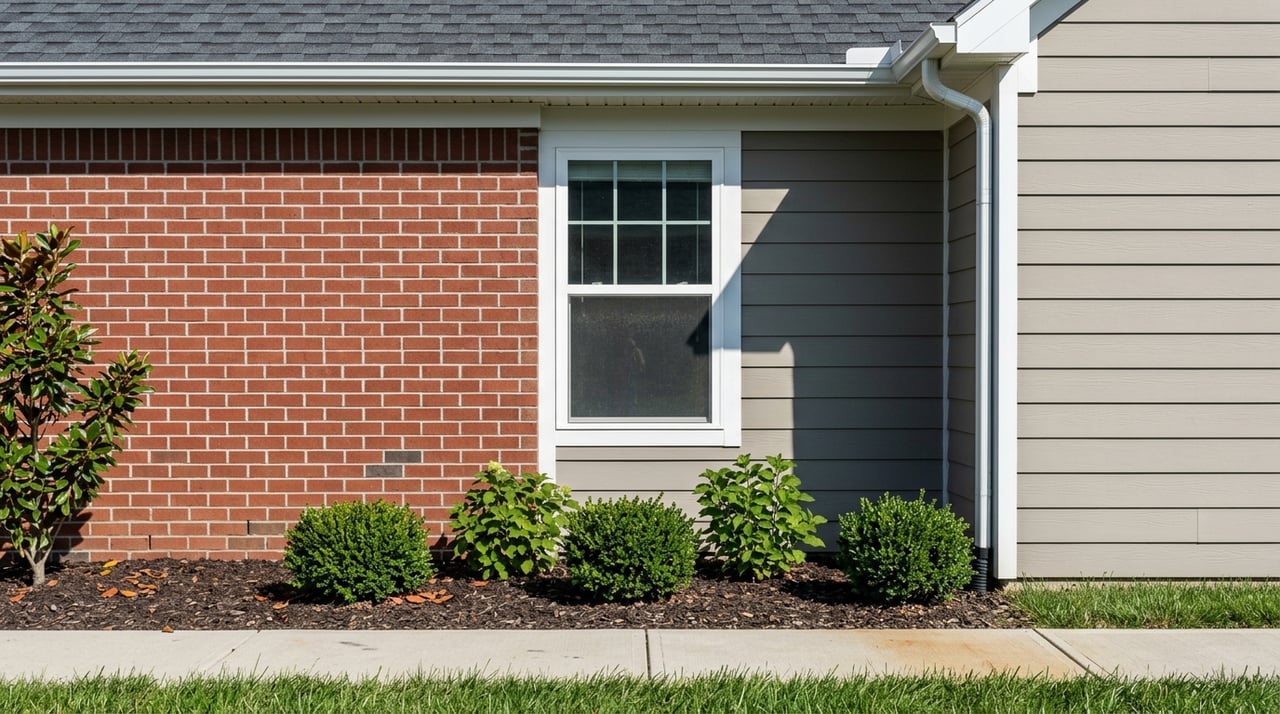
Wondering whether a newer home or an established one makes more sense in Rocky Hill? You are not alone. In this part of West Knoxville, buyers often compare traditional neighborhood streetscapes with newer planned residential projects nearby, and each option comes with a different set of tradeoffs. If you want to weigh maintenance, layout, site conditions, and long-term fit with more confidence, this guide will help you sort through the big factors. Let’s dive in.
Rocky Hill Housing Context
Rocky Hill is a long-standing West Knoxville neighborhood in the 37919 ZIP code, generally described as north and west of Northshore Drive, east of Wallace Road, and south of Westland Drive. It has deep residential roots, with Rocky Hill Elementary serving as a community anchor since 1940.
Planning context also helps explain why buyers see a mix of older and newer housing choices here. The West City Sector Plan places much of the surrounding area in low-density residential land use, which includes post-1950 residential development such as large-lot subdivisions and attached condominiums. That makes Rocky Hill a natural comparison point if you are choosing between established homes and newer infill or planned projects.
What Newer Construction Looks Like
Around Rocky Hill and the South Northshore corridor, newer construction often appears in planned residential settings rather than on large, untouched tracts. Recent planning actions included a 2024 proposal for 14 detached houses on 4.68 acres and a 2020 proposal for 44 detached lots on 17.94 acres. A 2014 rezoning near the Morrell Road and South Northshore Drive area also proposed detached residential development and noted an existing condominium development nearby.
For you as a buyer, that means a newer detached home may still come with a more engineered site plan than you might expect. Planning records in this area reference features like internal street systems, common areas, stormwater infrastructure, greenway easements, drainage easements, and sinkhole buffers. In simple terms, the home may feel new and low-maintenance, but the lot and neighborhood setup can involve shared responsibilities behind the scenes.
Common Features in Newer Homes
Newer homes near Rocky Hill often appeal to buyers who want:
- More current floor plans
- Newer systems and materials
- A stronger starting point for energy performance
- Lower near-term repair exposure
- A more predictable maintenance baseline
That said, newer does not always mean simpler. In some planned developments, owners’ associations may be responsible for maintaining common areas, amenities, or drainage systems, and those details matter.
What Established Homes Usually Mean
Established homes in Rocky Hill often reflect Knoxville’s broader suburban growth from 1936 to 1966. Across the city, common home styles from that era included Minimal Traditional, Ranch, and Split-Level houses. Many of those homes have also been updated over time with replacement windows, vinyl or aluminum siding, and added decks or porches.
In practical terms, an established Rocky Hill home may offer a more mature neighborhood setting and a wider mix of prior owner improvements. You may also find more variation from one house to the next. Some homes will be nicely modernized, while others may still need updates to systems, finishes, or layout.
Common Features in Established Homes
Established homes often attract buyers who value:
- Mature neighborhood character
- Larger or more varied lots
- A wider range of architectural styles
- Renovation potential
- The ability to personalize over time
The tradeoff is that older homes may require more due diligence. Age, prior renovations, and deferred maintenance can all affect your budget and timeline.
Energy Efficiency and Building Standards
One of the clearest advantages of newer construction is the starting point for efficiency. Knoxville currently reviews residential permits under the 2024 International Residential Code and the 2018 International Energy Conservation Code. That does not guarantee every new home performs the same way, but it does mean newer homes are generally built from a more current baseline than older homes.
For many buyers, this can translate into better comfort and potentially lower utility strain, especially if the home has efficient windows, insulation, and mechanical systems. An older home can absolutely improve in this area, but that usually depends on the quality and scope of past renovations.
Why This Matters for Buyers
If monthly ownership costs are a top concern, ask questions about:
- HVAC age and condition
- Window replacements
- Insulation upgrades
- Roof age
- Water heater age
- Any major electrical or plumbing updates
A newer home may answer more of those questions upfront. An established home may require more investigation, but it could still be a strong fit if updates have already been done well.
Maintenance Risks Are Different
The biggest difference is not that one type of home is good and the other is bad. It is that the risks tend to show up in different places.
With newer construction, many buyers expect fewer repair issues in the short term. That is often true for major systems. Still, local planning records show that newer Rocky Hill-area projects can involve property owners’ associations, common-area upkeep, drainage obligations, stream considerations, internal roads, and geotechnical review where sinkhole buffers are present.
With established homes, your maintenance questions usually shift back to the house itself. You may be looking at aging systems, older finishes, previous renovations, or components nearing replacement. In other words, newer homes often move the conversation toward site engineering and shared maintenance structures, while established homes move it toward condition and modernization.
Site Conditions Matter More Than You Think
In the Rocky Hill area, site conditions deserve close attention whether the home is brand new or decades old. Planning records for nearby newer subdivisions reference drainage easements, blue-line streams, stream crossings, and sinkhole buffers. Those are not small details.
A beautiful house on a complex site can still require careful review. You want to understand how water moves through the property, who maintains common infrastructure, and whether there are any restrictions tied to easements or buffers. This is one area where local knowledge and construction fluency can make a real difference.
Lead Paint and Older Homes
If you are considering an older established home, age matters for a few reasons. Homes built before 1978 generally fall under federal lead-based paint disclosure rules. EPA guidance also notes that many U.S. homes built before 1978 still contain some lead-based paint.
That does not mean you should avoid every older home. It does mean you should pay close attention to disclosure paperwork, repainting practices, and renovation methods. If a home has been updated over the years, it is important to understand how that work was handled.
Which Option Fits You Best?
In Rocky Hill, the better choice often comes down to which kind of uncertainty you are more comfortable managing. If you want code-current systems, a newer energy baseline, and fewer near-term house repairs, newer construction may feel like the safer path. If you value established neighborhood fabric, mature surroundings, and the chance to buy a home with character or renovation upside, an older home may suit you better.
Neither path is automatically better for every buyer. The right fit depends on your timeline, maintenance tolerance, budget flexibility, and how much work you want to take on after closing.
A Simple Decision Framework
Ask yourself these questions:
- Do you want move-in readiness, or are you open to updates?
- Are you comfortable reviewing HOA rules and shared maintenance obligations?
- Would you rather budget for possible repairs or pay a premium for newer systems?
- Is mature neighborhood setting a priority?
- How important are energy efficiency and current building standards?
- Do site features like drainage, easements, or buffers affect your comfort level?
Your answers will usually point you in the right direction.
Why Local Guidance Helps
Rocky Hill is not a one-size-fits-all market. Two homes at a similar price point can present very different ownership experiences depending on age, updates, lot conditions, and neighborhood structure.
That is why it helps to work with someone who can look beyond finishes and photos. When you have guidance grounded in both neighborhood knowledge and construction-level due diligence, it becomes much easier to separate cosmetic appeal from real long-term value.
If you are comparing newer construction and established homes in Rocky Hill, Ashley Wade can help you evaluate condition, site considerations, and resale potential with the kind of tailored guidance that makes your next move feel a lot more clear.
FAQs
What is the main difference between newer and established homes in Rocky Hill?
- Newer homes in the Rocky Hill area often offer more current systems and a newer energy baseline, while established homes often offer mature neighborhood surroundings, varied home styles, and a wider range of past updates.
What should buyers check in newer construction near Rocky Hill?
- You should review owners’ association responsibilities, drainage systems, common areas, easements, internal roads, and any site-related issues such as stream crossings or sinkhole buffers.
What should buyers check in established Rocky Hill homes?
- You should pay close attention to the age and condition of major systems, the quality of prior renovations, roof and HVAC age, window updates, and any signs of deferred maintenance.
Are older homes in Rocky Hill less efficient than newer homes?
- Older homes often start from an earlier building standard, while newer homes are generally reviewed under more current residential and energy codes in Knoxville, though renovated older homes may narrow that gap.
Do Rocky Hill-area older homes require lead paint disclosure?
- If a home was built before 1978, it will generally fall under lead-based paint disclosure rules, so you should review the paperwork carefully and ask questions about any past repainting or renovation work.
Is newer construction always the lower-maintenance option in Rocky Hill?
- Not always, because while the house systems may be newer, some properties in planned residential developments can include shared maintenance obligations tied to drainage, common areas, or owners’ associations.
