If you are trying to narrow down West Knoxville neighborhoods, Sequoyah Hills usually stands out fast. It has a very different feel from places like Bearden, West Hills, Rocky Hill, and Farragut, and that difference matters when you are deciding where you want to live day to day. This guide breaks down how Sequoyah Hills compares so you can better match the neighborhood to your lifestyle, priorities, and long-term goals. Let’s dive in.
Sequoyah Hills at a Glance
Sequoyah Hills is one of West Knoxville’s close-in residential areas, located just west of downtown Knoxville and the University of Tennessee along the Tennessee River and historic Kingston Pike. Planning documents describe it as one of Knoxville’s earliest planned subdivisions, with development beginning in 1925. Its curving streets, large lots, underground utilities, and mature landscape still shape the neighborhood today.
That background gives Sequoyah Hills a more established, intentional feel than many west-side neighborhoods. Historic guidance for the area also emphasizes preserving the setting, architecture, and tree canopy. For you as a buyer, that often translates into a neighborhood where character and overall setting are a big part of the appeal.
What Makes Sequoyah Hills Different
River access stands out
One of the clearest differences is the neighborhood’s connection to the Tennessee River. Sequoyah Hills Park covers 84.53 acres and includes river access, open space, sports fields, a playground, and a riverfront trail. The park also includes boat ramp and kayak access, which makes the river part of everyday life instead of just a weekend destination.
That is unusual in West Knoxville. In many other areas, outdoor amenities are important, but the river is not woven into the neighborhood in the same way. If scenery, waterfront access, and outdoor time matter to you, Sequoyah Hills has a strong identity around all three.
Historic character feels more intentional
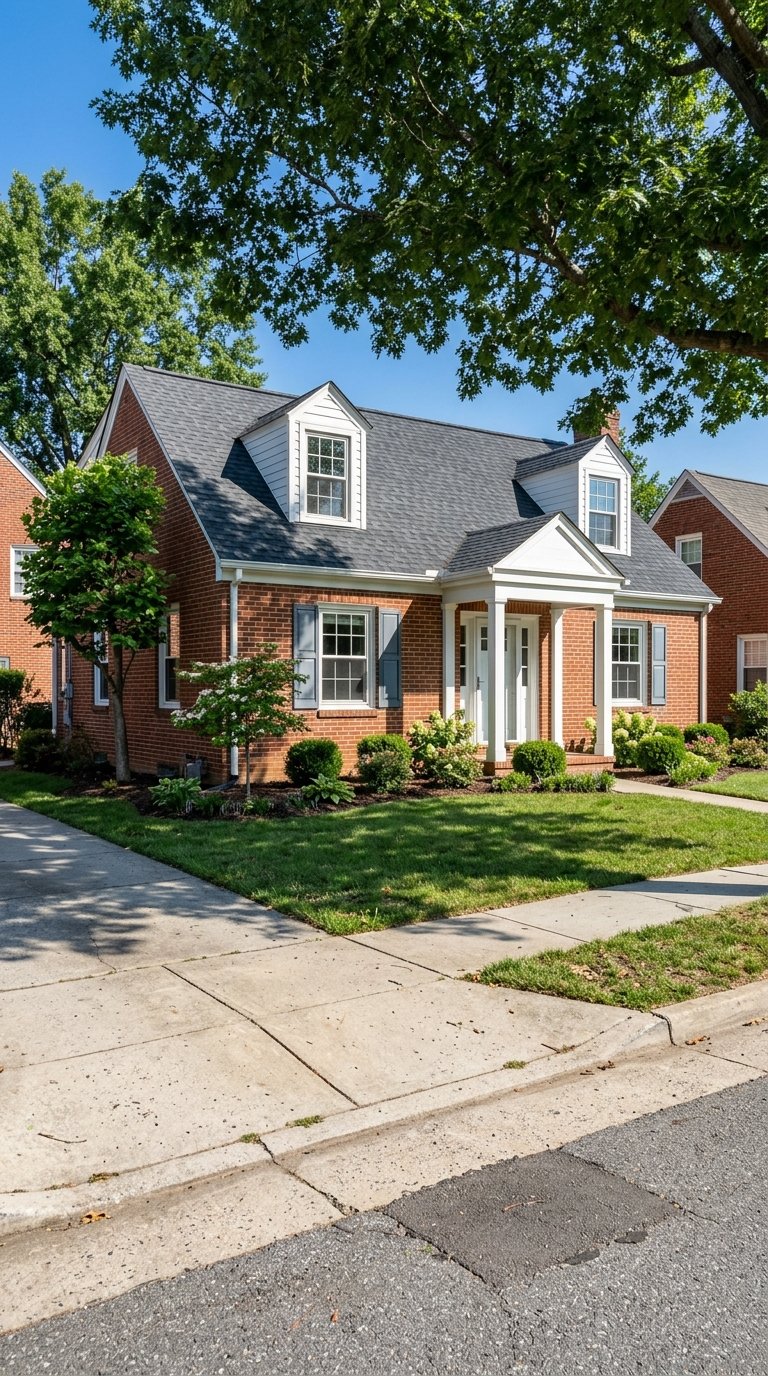
Sequoyah Hills is often chosen for its older architecture, mature trees, and preservation-minded setting. Historic planning guidance for the Scenic Drive area stresses consistent setbacks, limited lot coverage, and protection of mature landscaping. In practical terms, the neighborhood tends to feel more cohesive and more rooted in its original design than newer suburban areas.
That does not mean every home is the same. It means the broader streetscape and setting tend to feel curated over time. For buyers who value craftsmanship, lot presence, and long-term neighborhood character, that can be a major plus.
The setting is residential, not retail-driven
Sequoyah Hills does have a small business district with informal dining, real estate offices, a bank, and other neighborhood-scale businesses. Still, it does not function as a major commercial village. Compared with other West Knoxville areas, that smaller retail footprint often makes Sequoyah Hills feel quieter and more residential.
For some buyers, that is exactly the point. For others, it is a tradeoff. You get more scenery and a stronger legacy neighborhood feel, but less built-in day-to-day retail convenience right inside the neighborhood.
How Sequoyah Hills Compares to Bearden
Bearden offers more daily convenience
If Sequoyah Hills is about scenery and residential character, Bearden is the clearest convenience-focused counterpoint. Planning materials describe Bearden as a long-standing residential area with diverse housing types and a commercial district that includes hundreds of locally owned, regional, and national businesses. The Bearden Village plan also supports an urban-village model with housing, shops, workplaces, parks, and civic uses in close proximity.
That means your day-to-day experience in Bearden may feel more mixed-use and activity-driven. If you want quicker access to shops and restaurants as part of the neighborhood experience, Bearden often checks that box more directly than Sequoyah Hills.
Sequoyah Hills feels calmer and more scenic
Sequoyah Hills tends to win on riverfront setting and historic atmosphere. While Bearden has greenway access and strong connectivity, its identity is more commercial and mixed-use. Sequoyah Hills is usually a better fit if you are drawn to tree canopy, river views, and a quieter residential rhythm.
The choice often comes down to lifestyle. If you want more built-in convenience, Bearden may be more practical. If you want an older river neighborhood with a more scenic feel, Sequoyah Hills often stands apart.
How Sequoyah Hills Compares to West Hills
West Hills leans more suburban
West Hills has a different kind of outdoor appeal. The area is tied to West Hills / John Bynon Park, the Jean Teague Greenway, and convenient access from Kingston Pike and I-40. Planning context also places it near shopping centers and West Town Mall, which supports a more auto-oriented west-side lifestyle.
That can be a good match if you prioritize convenience, recreation, and straightforward access to major corridors. West Hills offers park access and suburban functionality, but it does not deliver the same historic riverfront identity as Sequoyah Hills.
Sequoyah Hills feels more close-in and legacy-oriented
Sequoyah Hills sits closer to downtown Knoxville and the University of Tennessee, and its setting feels more rooted in an earlier planning era. Its appeal is less about major retail access and more about neighborhood fabric, scenery, and established surroundings. If you want a neighborhood that feels more in-town and less corridor-driven, Sequoyah Hills usually has the edge.
How Sequoyah Hills Compares to Rocky Hill
Rocky Hill is more car-oriented
Rocky Hill tends to read as a more conventional suburban area shaped by shopping access, sports fields, and major road connections. City and planning materials point to access patterns tied to Kingston Pike, Morrell Road, and the West Hills exit off I-40. The West City Sector Plan also notes limited sidewalks in the Rocky Hill Elementary planning area and recommends pedestrian improvements along key roads.
For you, that suggests a neighborhood where driving plays a bigger role in daily life. If convenience to major roads and practical west-side access are top priorities, Rocky Hill may appeal more than Sequoyah Hills.
Sequoyah Hills is stronger on walkable scenery
Sequoyah Hills offers a different kind of everyday environment. The Sequoyah Greenway runs in the median of Cherokee Boulevard and connects across Kingston Pike to Third Creek Greenway, helping tie the neighborhood into a broader greenway system. Combined with the park and riverfront trail, that creates a more scenic and pedestrian-friendly setting than Rocky Hill’s more road-focused layout.
How Sequoyah Hills Compares to Farragut
Farragut has a larger planned-town feel
Farragut is different in scale because it is an incorporated town, not simply another West Knoxville neighborhood. The town notes that it incorporated in 1980, maintains more than 25 greenway segments totaling about 16 miles, and requires developers to set aside 10 percent of project acreage for passive open space or recreational amenities. That creates a more deliberately planned suburban environment.
For many buyers, Farragut means subdivision amenities, structured open-space planning, and a larger municipal framework. It can be a strong option if you want a broader suburban setting with extensive greenway infrastructure and newer-planned patterns.
Sequoyah Hills offers older in-town character
Sequoyah Hills is usually the better fit if you want a close-in location with historic roots and river adjacency. Its appeal is not based on large-scale subdivision planning. Instead, it comes from its setting along the river, older lots and streets, and preservation-minded neighborhood identity.
That difference matters because the two areas often attract buyers for very different reasons. Farragut tends to feel more planned and suburban, while Sequoyah Hills feels more historic, scenic, and established.
Which West Knoxville Lifestyle Fits You?
Here is a simple way to think about the comparison:
- Choose Sequoyah Hills if you want river access, mature trees, older architecture, preservation-minded character, and a close-in West Knoxville location.
- Choose Bearden if you want more shops, restaurants, and a stronger mixed-use neighborhood feel.
- Choose West Hills if you want suburban convenience, recreation access, and proximity to major shopping corridors.
- Choose Rocky Hill if you want a practical west-side location with easy car access and a more conventional suburban layout.
- Choose Farragut if you want a larger planned town with greenways, open-space requirements, and subdivision-style amenities.
Why This Comparison Matters When Buying
Neighborhood comparisons are about more than price or square footage. They shape how your home feels over time, from how you spend weekends to how often you drive for errands to the kind of setting you come home to every day. In West Knoxville, these neighborhoods are close enough to compete for the same buyers, but they deliver very different experiences.
That is why local guidance matters. If you are relocating, moving up, or looking for a home with renovation potential, it helps to weigh not just the house itself but the neighborhood pattern around it. In a place like Sequoyah Hills, the lot, streetscape, and preservation context can be just as important as the floor plan.
If you want help comparing Sequoyah Hills with Bearden, Rocky Hill, West Hills, or Farragut based on your goals, budget, and preferred lifestyle, Ashley Wade offers tailored guidance with the local insight and high-touch service to help you make a confident move.
FAQs
How is Sequoyah Hills different from Bearden in West Knoxville?
- Sequoyah Hills is more riverfront, scenic, and residential, while Bearden is more mixed-use and retail-oriented with a stronger convenience focus.
What makes Sequoyah Hills unique in Knoxville?
- Sequoyah Hills stands out for its Tennessee River access, 84.53-acre park, greenway connections, mature landscape, and historic planned-neighborhood character.
Is Sequoyah Hills more suburban than Farragut?
- No. Farragut typically feels more like a larger planned suburban town, while Sequoyah Hills feels closer-in, older, and more historic in character.
How does Rocky Hill compare to Sequoyah Hills?
- Rocky Hill tends to be more car-oriented and convenience-driven, while Sequoyah Hills offers a more scenic, greenway-connected, river-adjacent setting.
Is West Hills similar to Sequoyah Hills?
- West Hills shares an emphasis on parks and recreation, but it generally feels more suburban and auto-oriented than Sequoyah Hills’ historic riverfront neighborhood setting.
