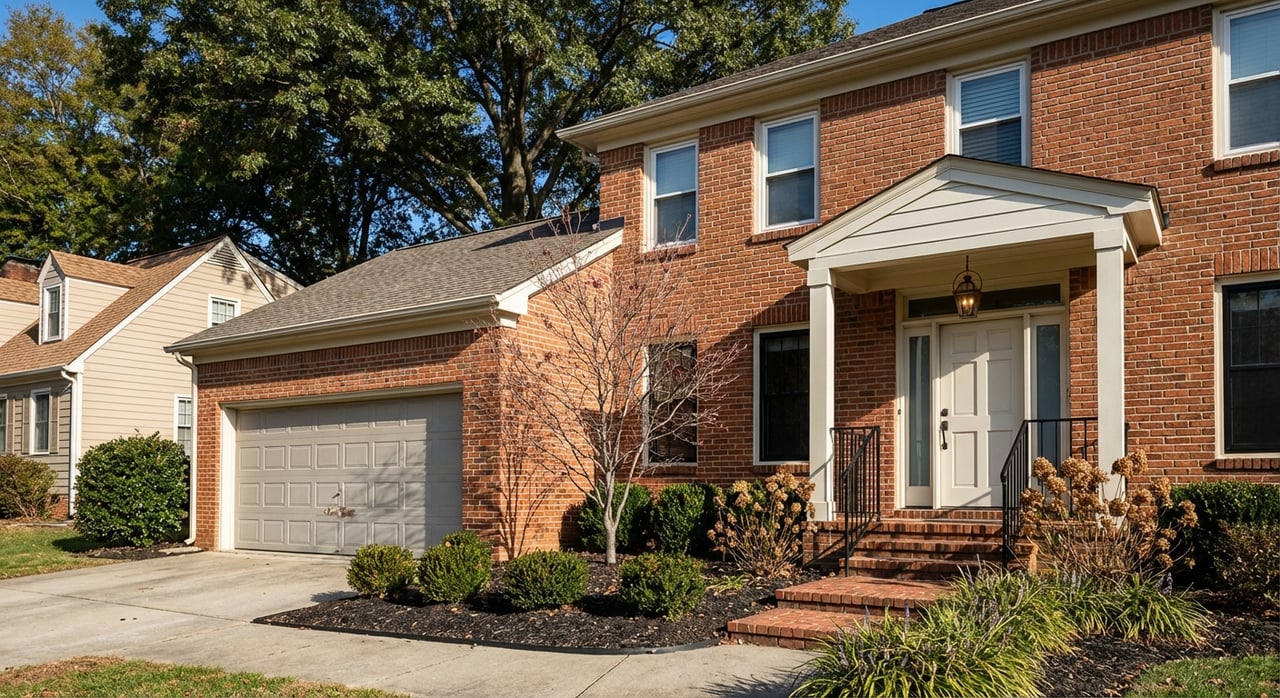
Love the charm of a historic neighborhood but want smart, move‑in upgrades and outdoor access too? If Sequoyah Hills is on your list, you’re already looking in one of Knoxville’s most distinctive areas. You’ll find homes from different eras, river and bluff‑top lots, and a mix of renovated spaces and projects with potential. This guide shows you what styles to expect, how ages affect value and upkeep, and which upgrades deliver the best return. Let’s dive in.
Sequoyah Hills at a glance
Sequoyah Hills sits on a peninsula shaped by the Tennessee River, with Kingston Pike to the north and Cherokee Boulevard running along the water’s edge. This setting creates riverfront parcels, bluff‑top views, and quiet, tree‑lined streets throughout the neighborhood as documented in the neighborhood’s history.
Outdoor access is a major draw. Sequoyah Park and the Sequoyah Greenway stretch along the river, offering trails, fields, and water access. The area also features documented historic landscape elements from the 1920s Talahi Improvements and a long Dogwood Arts tradition on Cherokee Boulevard, which influence the look of medians, lot patterns, and the curb appeal many buyers love per neighborhood records.
Home styles by era
1920s–1930s character homes
You’ll see many of the neighborhood’s most notable residences from this era. Expect Tudor Revival, English Cottage, Colonial and Neoclassical styles, with some Art Moderne examples on planned streets like Scenic Drive and portions of Cherokee Boulevard noted in the neighborhood’s development history. These homes often feature original hardwoods, detailed millwork, and formal facades.
1940s–1950s cottages and mid‑century
On inner and side streets, you’ll find post‑war Minimal‑Traditional cottages, early prefabricated examples, and mid‑century houses. Many have been updated over time, while others still offer value‑add potential through kitchen, bath, and systems upgrades.
Later infill and riverfront estates
From the mid‑ to late‑20th century forward, infill and renovations appear across the neighborhood. Some larger riverfront estates and bluff‑top homes show newer construction or substantial remodels where lots allowed redevelopment. If you want big views or larger parcels, this is where you’ll focus.
Lots, views, and topography
Sequoyah Hills’ peninsula geography means lots vary by elevation and proximity to the river. Bluff‑top parcels often provide long river views and larger lots. Properties closer to Sequoyah Park tend to sit on flatter ground with easy access to trails and fields, and that parkland sits within the river floodplain per the city’s parks information. Your choice comes down to priorities: views and elevation, or direct park and river access.
What your budget buys
Home values cover a wide range here. Recent data show a median sale price around $722,500 as of January 2026. Actual options vary by style, condition, and whether a home has river views.
- Entry to lower‑mid budgets (~$250k–$450k): Smaller condos and one‑bed units, plus select cottages that are either well updated or ready for renovation. In this range, many buyers prioritize location and outdoor access over square footage.
- Mid budgets (~$450k–$900k): The most active single‑family tier. You’ll see renovated 2–3 bedroom cottages, updated mid‑century homes, and modest houses with partial river views. Expect premiums for bluff locations, larger lots, and well‑executed recent updates.
- Upper budgets (~$900k–$2M+): Fully renovated historic homes, larger bluff‑top properties, and substantial riverfront estates. Buyers here are often purchasing for view corridors, architectural character, or lot size.
Tip: When you compare prices, look at recent closed sales rather than just list prices. In Sequoyah Hills, riverfront and bluff‑view homes can trade at meaningful premiums compared to interior streets.
Smart upgrades that pay off
Systems and safety first
Older homes can include legacy electrical, plumbing, and mechanicals. Budget to modernize electrical panels and wiring if needed, update galvanized plumbing, and plan for roof, window, insulation, and HVAC upgrades on typical life cycles. These items improve safety, comfort, and insurability and are common priorities in historic neighborhoods.
Kitchens and bathrooms with ROI
If you want projects that help resale, focus on modest‑to‑midrange kitchen updates and midrange bathroom remodels. National Cost vs. Value trends show these often deliver strong returns relative to cost as summarized by Kiplinger. In practice, thoughtful refreshes can outperform a full custom overhaul in terms of percentage recouped.
Floors and original details
Refinish original hardwoods and preserve trim where feasible. Period details contribute to the neighborhood’s appeal and can tip buyer decisions when homes compete.
Curb appeal and exterior wins
Exterior projects like garage or entry door replacements, siding repairs, porch and deck upgrades, and landscaping frequently deliver high buyer impact. Cost vs. Value data consistently show exterior improvements can recoup a larger share of cost than many big interior projects per the Kiplinger overview. This aligns well with the visual rhythm along Cherokee Boulevard and other prominent streets.
Historic and design rules
Parts of Sequoyah Hills carry historic designations or conservation overlays. If you plan exterior changes, new additions, or demolition, confirm whether your property requires review or a Certificate of Appropriateness. The City of Knoxville and the local planning commission provide historic zoning guidance and review processes. Early checks help you scope realistic timelines and costs.
Riverfront and flood facts
Sequoyah Park and some river‑edge areas lie within the Tennessee River floodplain. Before you make an offer on a riverfront or low‑lying property, check FEMA flood maps and talk with your insurance professional about expected premiums and mitigation options. The BMA Land Surveyors resource page links to FEMA’s Map Service Center and related tools to verify flood zone status.
Key questions to ask:
- Is the home above the regulatory base flood elevation for this parcel?
- What is the site’s flood history and the owner’s flood insurance premium?
- Are there existing or planned flood‑mitigation features on the property?
Practical buyer checklist
Use this quick list to stay focused during your search and due diligence:
- Verify the exact year built, renovation scope, and permit history. Request documentation for structural, electrical, and plumbing work.
- Review mechanical systems: age and service history for HVAC, water heater, electrical panel, roof, and windows.
- Inspect foundation, grading, drainage, and any signs of water intrusion. Engage a structural engineer if you see cracking or settlement.
- Confirm FEMA flood zone status and expected insurance costs, especially for riverfront or lower‑elevation lots. Use resources linked from the BMA page.
- Check whether historic or conservation overlays apply and whether exterior changes require design review.
- Separate comps by street and view band. River‑view and bluff properties often command premiums over interior streets.
- Review projected property taxes and payment schedules using the City of Knoxville’s property tax information.
Work with a trusted local guide
Choosing between a 1930s Tudor with original details, a refreshed mid‑century cottage, or a bluff‑top home with sweeping views takes both market insight and construction know‑how. You deserve guidance that weighs condition, upgrades, flood and overlay rules, and long‑term value. With a background in home building and nearly two decades advising Knoxville buyers, Ashley pairs neighborhood expertise with technical due diligence so you can buy with confidence. If you’re ready to compare styles, ages, and upgrades in Sequoyah Hills, connect with Ashley Wade to map your next steps.
FAQs
What home styles are most common in Sequoyah Hills?
- You’ll see 1920s–1930s Tudor, English Cottage, Colonial and Neoclassical homes, mid‑century cottages on inner streets, and later infill plus larger riverfront estates.
How much does a Sequoyah Hills home cost in 2026?
- The neighborhood’s recent median sale price is about $722,500, with options ranging from entry‑level condos to multi‑million‑dollar riverfront estates, depending on location and condition.
Are there flood risks for riverfront homes in Sequoyah Hills?
- Some river‑edge parcels and parkland sit in the Tennessee River floodplain; verify FEMA flood zones and projected insurance costs using resources linked from the BMA page before you offer.
Which upgrades add the best value in older Sequoyah Hills homes?
- Systems and safety first, then modest kitchen and bath remodels, hardwood refinishing, and exterior curb‑appeal projects that align with Cost vs. Value trends for strong ROI.
Do I need approval for exterior changes in Sequoyah Hills?
- If your property is in a historic or conservation overlay, exterior work may require review and a Certificate of Appropriateness; check with the city and planning commission early in your process.
